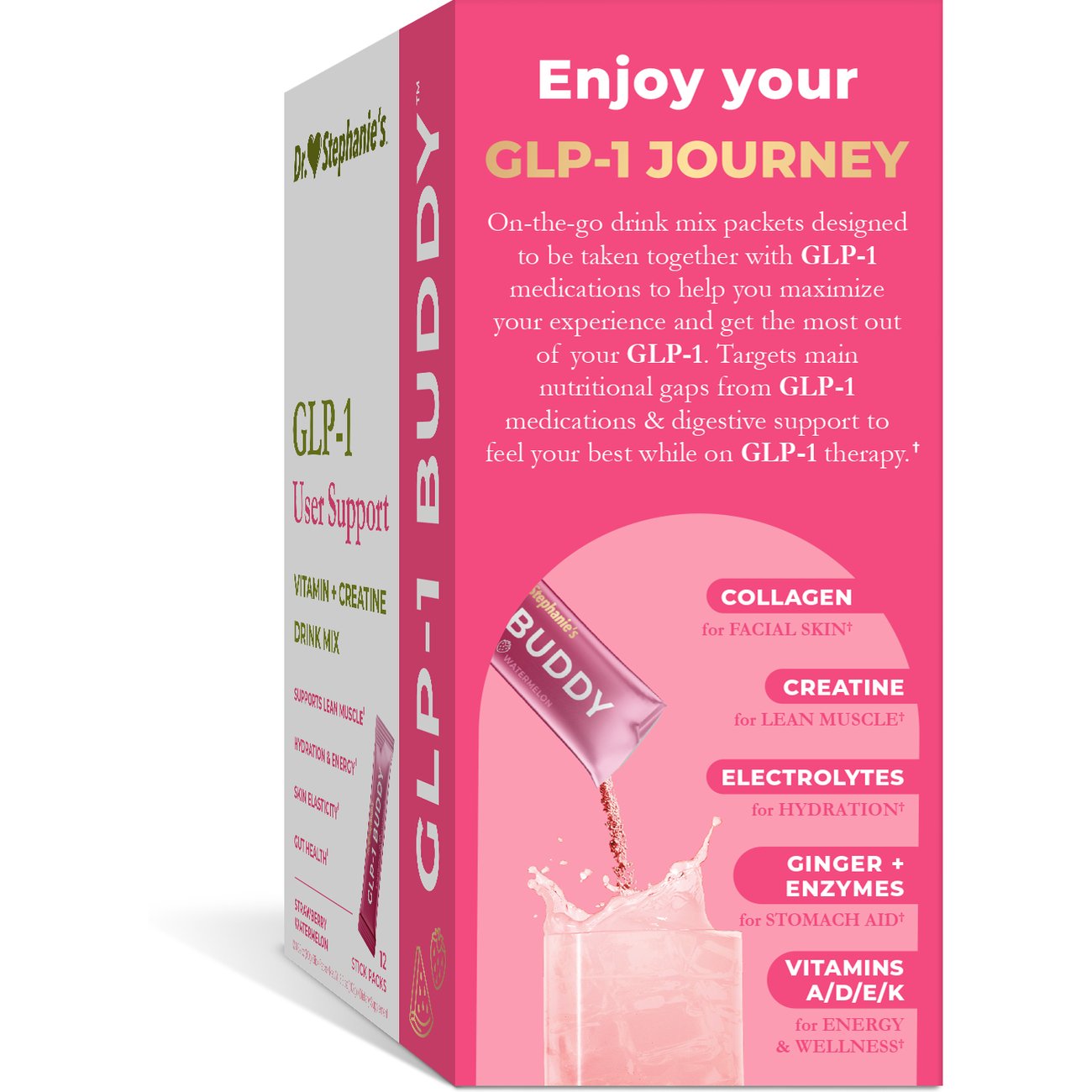
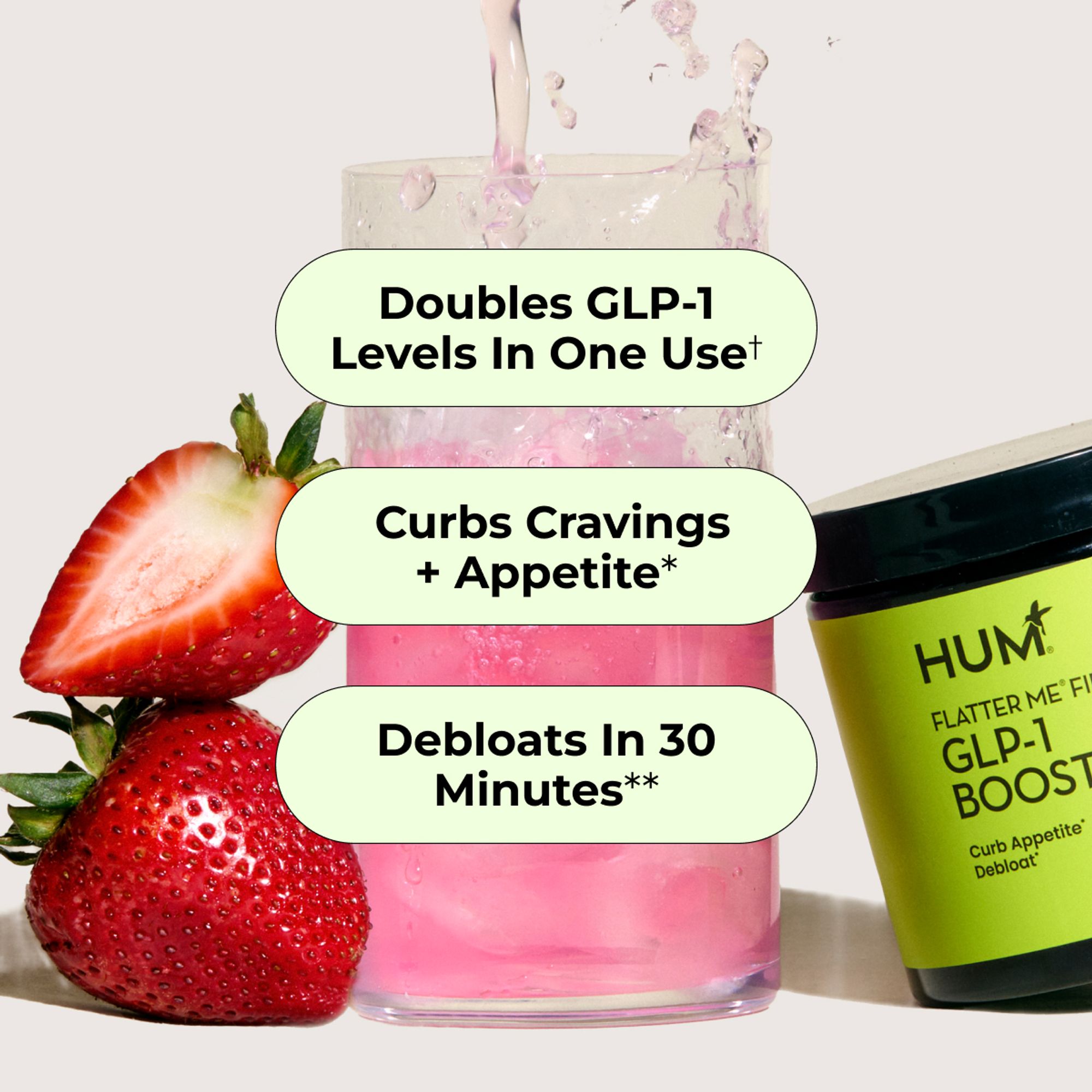
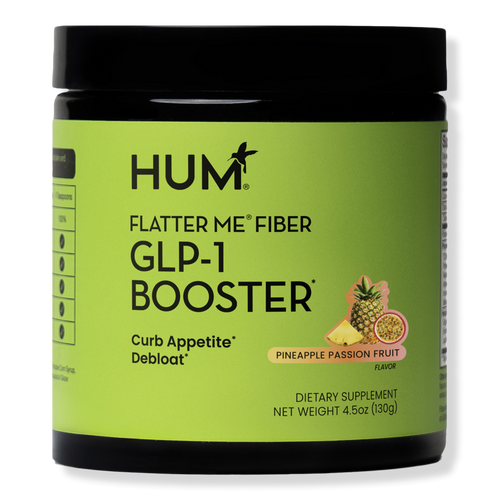
GLP-1 medications work partly by suppressing appetite and slowing gastric emptying. That's the mechanism behind the weight loss. But less food in means fewer vitamins and minerals in and the research now shows this isn't a theoretical concern. Butsch et al. (2025), the largest of the six studies in the Urbina review, tracked 461,382 GLP-1 users and found 22.4% had a new nutritional deficiency diagnosis within 12 months. Vitamin D was most common (13.6%), followed by nutritional anemia (4%), iron deficiency (3.2%), and B vitamin deficiency (2.6%). In a smaller dietary study (Johnson et al. 2025, Frontiers in Nutrition), 64% of GLP-1 users didn't meet iron intake recommendations, and 72% fell short on calcium.* This GLP-1 supplement covers the five most at-risk nutrients with bioavailable forms: methylcobalamin B12, chelated iron, chelated zinc, 5-MTHF folate, and vitamin D3

Patients combining collagen therapy with physical therapy and anti-inflammatory protocols show enhanced mobility improvements compared to single-intervention approaches
At the root of the question on the future of compounded GLP-1RAs is whether widespread shortages will occur again
Psychological, pharmacological, and combined treatments for binge eating disorder: a systematic review and meta-analysis